The Byak indigenous community in Papua has officially declared its opposition to the planned construction of a new Indonesian Army (TNI) headquarters on their ancestral lands, asserting that the area is a vital “living space” rather than vacant territory.
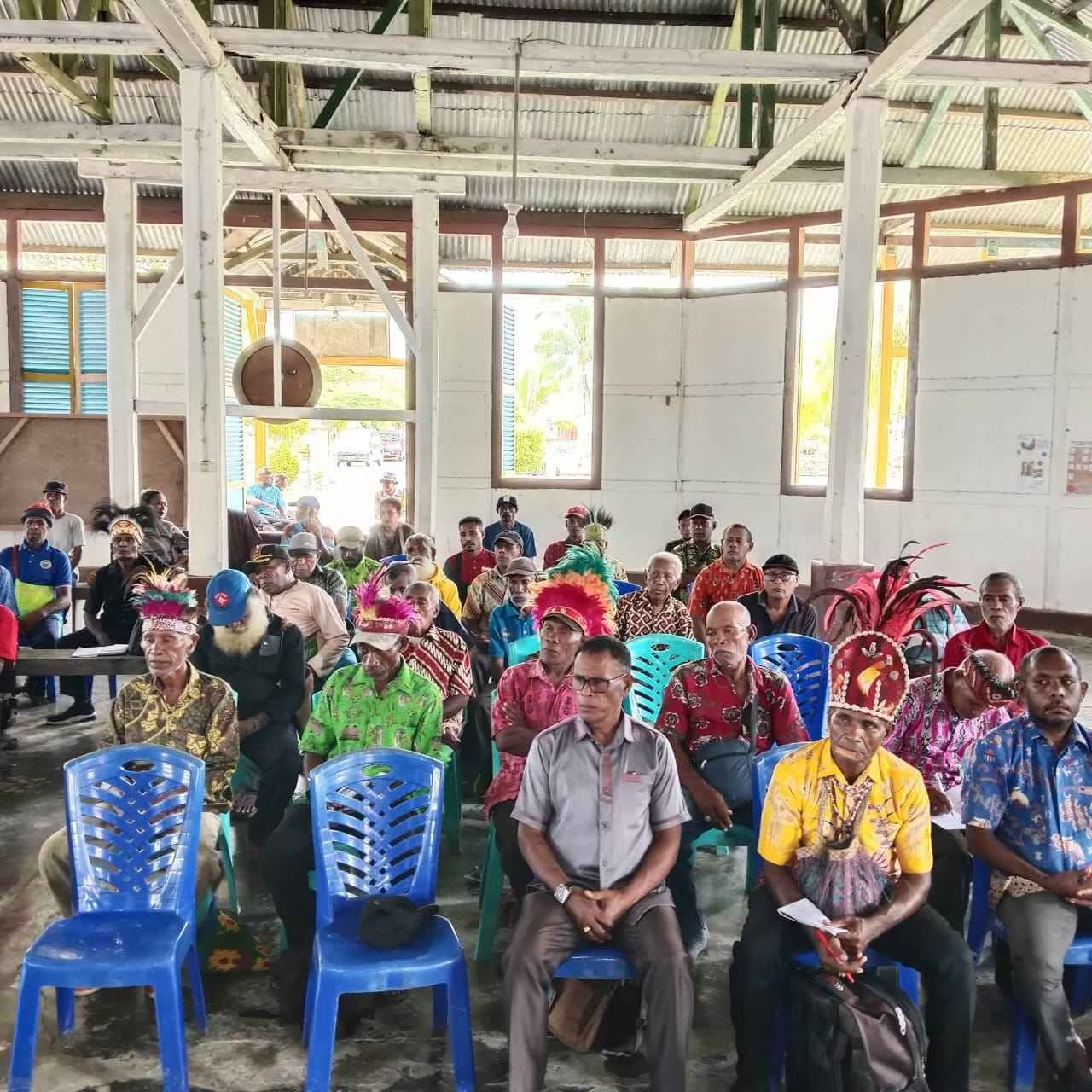
The decision followed a traditional assembly (Musyawarah Adat) held in the second week of January 2026. Led by Apolos Sroyer, Chairman of the KainKain Karkara Byak Council, and Gerard Kafiar, the council’s executive head, the meeting gathered community leaders to discuss the Indonesian Army’s plan to establish the Battalion 858 headquarters on Byak Island.
The assembly reached a firm consensus: the Byak people reject the conversion of their ancestral land in Ababiadi into a military installation. For the community, the plan poses a serious threat to their history, cultural identity, and the land they have nurtured for generations.
“Not Vacant Land”
A central point of the dispute lies in how the land is perceived. While state developmental projects often view remote areas as unused “state land,” the Byak community emphasizes that every inch of the territory has an owner.
“This land is not ‘no man’s land.’ It belongs to the community, passed down from our ancestors to current and future generations,” said Gerard Kafiar. He explained that the land holds the community’s collective memory and dignity, making it far more than just a physical asset.
According to traditional law, any development must go through indigenous mechanisms and receive official consent from the customary landholders (hak ulayat). This process is not merely a formality but a foundational system of governance that ensures the community’s living space is protected.
Ecological and Cultural Significance
The community also raised concerns regarding the ecological impact of a military base. For the Byak people, the land is their primary source of food, traditional medicine, and a site for sacred rituals.
“Ancestral land is the foundation of all aspects of life,” Kafiar added. The planned construction could disrupt the delicate ecological balance that the indigenous people have maintained for centuries. The loss of this land would mean the loss of a unique ecosystem that sustains the relationship between the Papuan people and nature.
A Call for Respectful Development
Despite their firm stance, the Byak leaders clarified that their position is not a blanket rejection of progress or the state. Instead, it is a demand for recognition and procedural justice.
“We do not reject development, but we reject it when it is carried out without respecting indigenous rights. Ancestral land is not empty; it contains the history and dignity of the Biak people,” Kafiar concluded.
As of late January, the community continues to call on the government and military officials to respect traditional protocols and engage in transparent dialogue with the legitimate customary owners before proceeding with any national security projects in the region.
- Traditional Dish Adds To Threats Facing Indonesia’s Carnivorous Plants
- The Blue Carbon Paradox: Indonesia’s Ecological Gamble on World Seagrass Day 2026
- West Java Besieged by Indonesia’s Deadliest Coal Power Plants
- Green Illusions: The Failing Promise of Indonesia’s Biomass Energy Plantations
- The Dark Shadow Behind the Copper Glint: Locking Papua’s Fate into Ecological Disaster
- Criminalized for Their Land: The Struggle of Sagea Residents Against Nickel Mining in North Maluku