
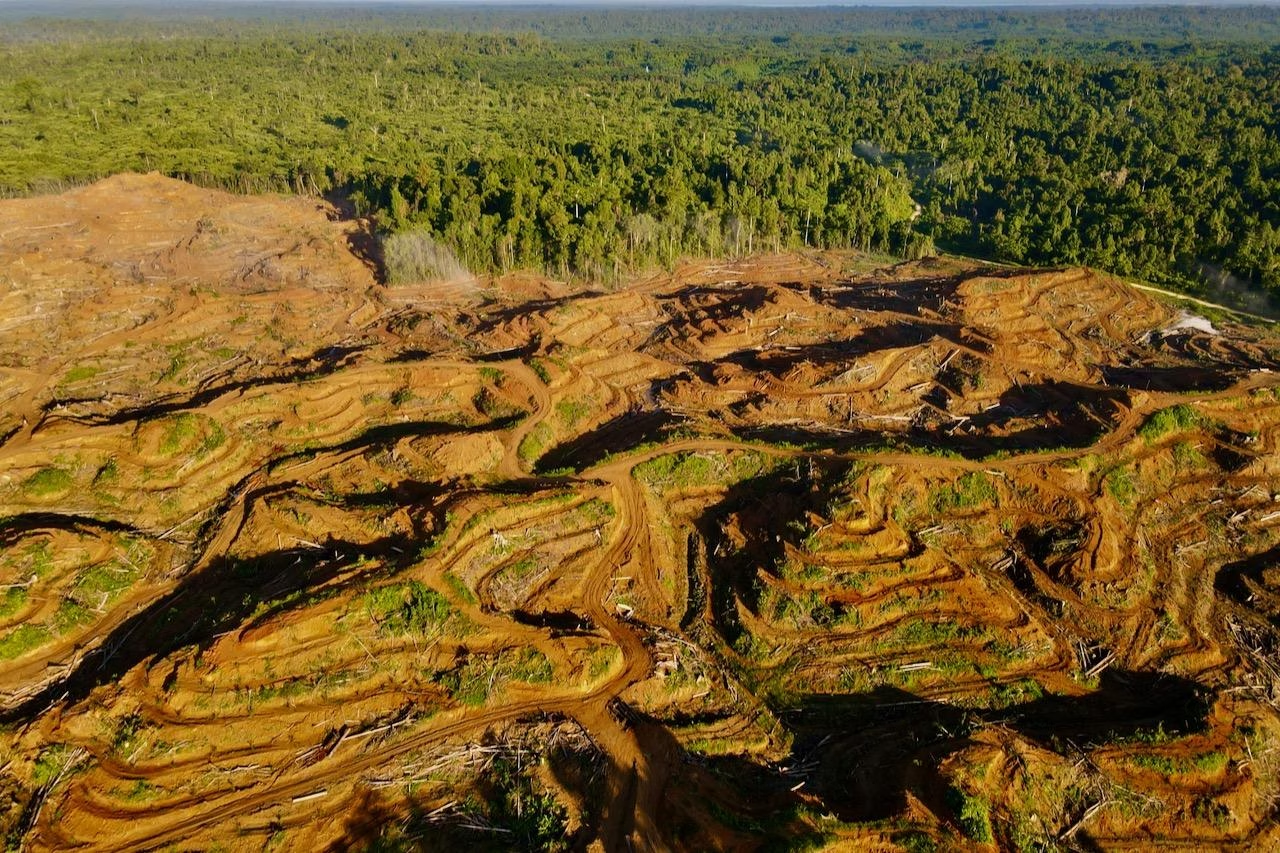
On a Monday morning in mid-January 2026, the quiet atmosphere of Klasari Village in the Moisegen District was disrupted by the arrival of a representative from a palm oil company. Going door-to-door, the envoy attempted to persuade residents to surrender their ancestral forests for the development of a new oil palm plantation.
The offers were visually staggering: a compensation package worth Rp2 billion (approximately USD 127,000), new housing, vehicles, and promises of improved education and healthcare facilities. However, for the Klagilit Maburu Indigenous community, these “sweet promises” were viewed not as an opportunity, but as a direct threat to their survival and identity.
Standing Ground Against Persuasion
Ambrosius Klagilit, a prominent leader of the Klagilit Maburu people, confirmed that the community ultimately chose to expel the company representative. The decision followed repeated attempts by the company, PT Inti Kebun Sejahtera, to bypass communal consensus by lobbying individual households.
“I warned him not to seize our ancestral forest by inciting the community, as it would destroy the social harmony we have maintained for generations,” Ambrosius stated, as quoted by the Indigenous Peoples Alliance of the Archipelago (AMAN).
The community’s frustration stems from the persistent nature of these negotiations. Despite previous warnings, the company continued to send envoys to promote the benefits of the plantation, a move the locals describe as “incitement.”
“The Forest is Our Mother”
For the Klagilit Maburu, the forest is not a commodity or a “land bank” to be traded for financial gain. It is an inseparable part of their cultural identity, spiritual life, and ecological heritage.
“Palm oil is not an ancestral legacy. For the Indigenous People of Papua, palm oil will only leave behind blood and tears for our children and future generations,” Ambrosius emphasized. “We have never authorized our ancestral forest to become a plantation. The forest is our mother; it is where our children and grandchildren live.”
This sentiment is echoed by researchers who have studied the socio-cultural landscape of the Moi people in Sorong. Margi Kurniawan, an Indigenous rights researcher, notes that the rejection is a rational and necessary act to ensure long-term sustainability.
“The ancestral forest is more than just land; it is a space for education, a living environment, and a cultural identity,” Kurniawan explained. “The community relies on the forest for food and daily necessities. Their social and economic practices are built on managing their own territory without depending on external investment.”
A Broader Struggle in Papua
The standoff in Klasari Village reflects a wider anxiety across the Papua region regarding the Indonesian government’s continued push for large-scale agricultural expansion. To many Indigenous Papuans, the spread of palm oil represents a structural shift in land use that risks dismantling their traditional way of life.
The loss of forest to industrial plantations often leads to the displacement of communities from their ancestral domains, weakening the social and spiritual bonds that define their existence. By rejecting the billions offered by corporations, the Klagilit Maburu community is sending a clear message: their heritage and the health of their “mother forest” are not for sale.
- Traditional Dish Adds To Threats Facing Indonesia’s Carnivorous Plants
- The Blue Carbon Paradox: Indonesia’s Ecological Gamble on World Seagrass Day 2026
- West Java Besieged by Indonesia’s Deadliest Coal Power Plants
- Green Illusions: The Failing Promise of Indonesia’s Biomass Energy Plantations
- The Dark Shadow Behind the Copper Glint: Locking Papua’s Fate into Ecological Disaster
- Criminalized for Their Land: The Struggle of Sagea Residents Against Nickel Mining in North Maluku
