The mist doesn’t just settle in Wae Rebo; it lives there. Tucked away in the Manggarai highlands of Flores, East Nusa Tenggara, this village is often called the “Land Above the Clouds.” But to describe it merely as a “destination” feels like calling the Mona Lisa a “sketch.”
Wae Rebo is a heartbeat from the past, surviving the march of modernity with grace and a very steep hiking trail. If you’re looking to disconnect from your Wi-Fi and reconnect with the soul of Indonesia, here are five facts that make this village a living testament to human heritage.
1. The Geometry of the Soul: The Mbaru Niang
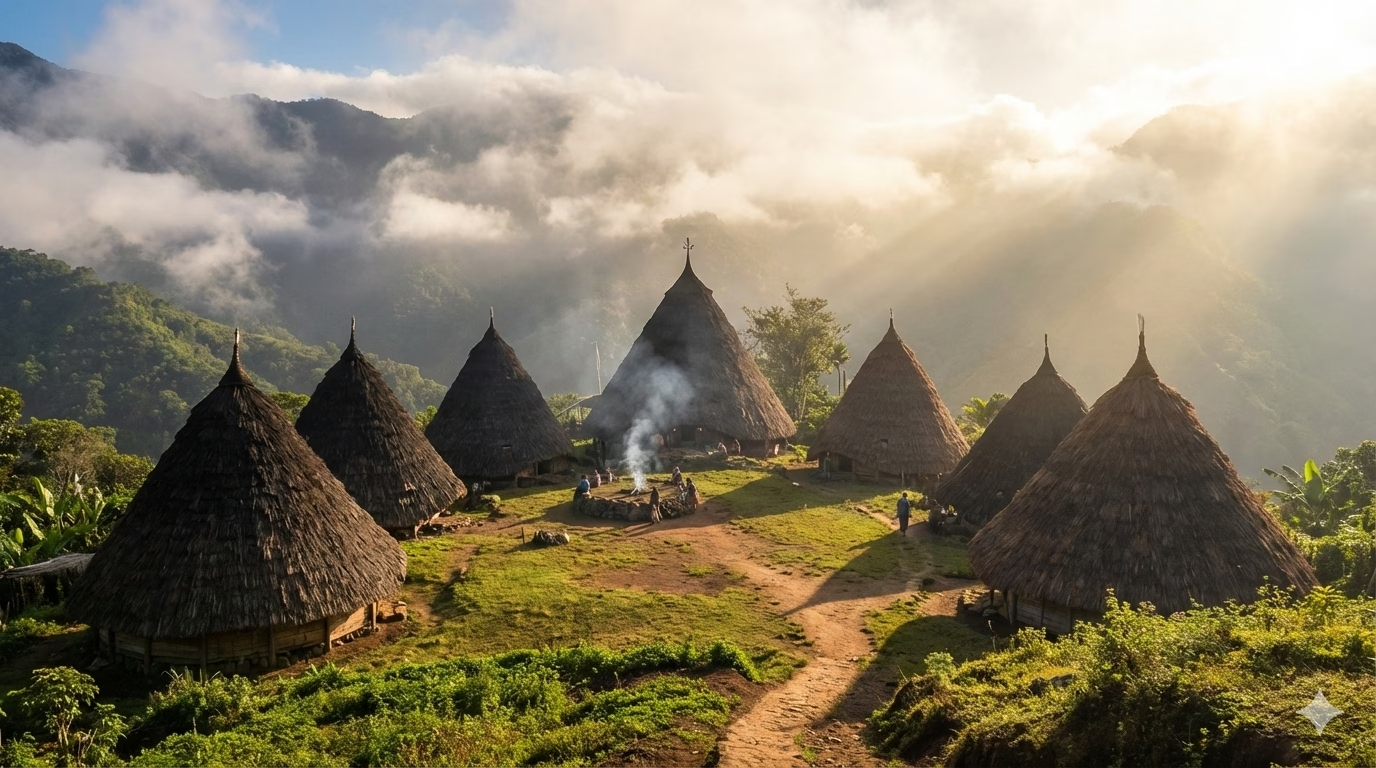
The first thing that hits you—after you catch your breath from the hike—is the sight of seven massive, cone-shaped houses. These are the Mbaru Niang.
These aren’t just architectural oddities; they are masterpieces of ancestral engineering. Built without a single nail, these 5-story structures are held together by rattan ties and sheer willpower. Each floor has a specific purpose:
- Lutur: The living quarters.
- Lobo: The attic for food storage.
- Lentar: Where seeds for the next harvest are kept.
- Lempa Rae: A safety store for food during droughts.
- Hekang Kode: The topmost level, reserved for offerings to the ancestors.
2. A Trek That Filters the Soul
You don’t just “arrive” at Wae Rebo; you earn it. The journey involves a 3-to-4-hour trek through dense tropical rainforests. There are no roads for cars, no shortcuts, and—mercifully—no malls.
This physical barrier has acted as a natural shield, preserving the village’s traditions for over 19 generations. By the time you reach the clearing and see the smoke rising from the thatch roofs, the sweat feels like a small price to pay for a glimpse of paradise.
3. The Sacred Altar (Compang)
In the center of the village circle lies the Compang, a stone altar that serves as the spiritual heart of Wae Rebo. It is the most sacred spot in the village, where residents communicate with their ancestors and the Great Spirit.
Visitors are traditionally welcomed with a ceremony called Waelu, where a village elder seeks permission from the spirits for your stay. It’s a grounding reminder that you aren’t just a tourist; you are a guest in a home that has been occupied for centuries.
4. The World Took Notice: UNESCO Recognition
For a long time, Wae Rebo was a secret whispered among intrepid travelers. However, in 2012, UNESCO awarded the village the Top Award of Excellence in the UNESCO Asia-Pacific Heritage Awards.
The award wasn’t just for the buildings, but for the community’s dedication to preserving their culture while managing sustainable tourism. It’s a rare example of a place that remains authentic despite being on the world map.
5. Life Scented with Coffee and Cinnamon
Life in Wae Rebo follows the rhythm of the earth. The villagers are primarily farmers, cultivating some of the most aromatic organic coffee and cinnamon you’ll ever encounter.
Waking up in a Mbaru Niang to the smell of freshly roasted beans while the clouds drift through the doorway is an experience that stays with you. There is no “hustle culture” here—only the cycle of planting, harvesting, and communal living.