Traditional Dish Adds To Threats Facing Indonesia’s Carnivorous Plants
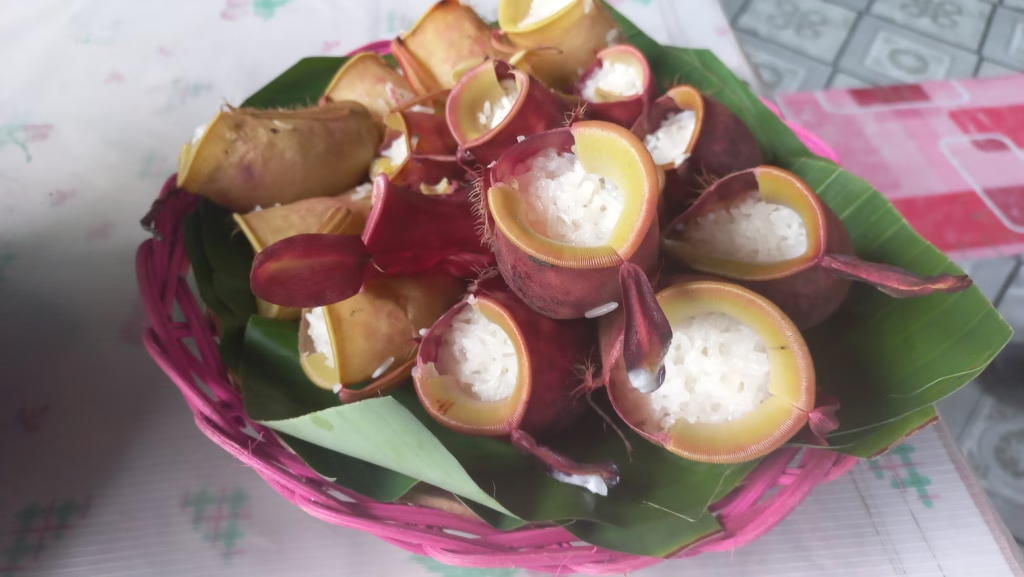
Nepenthes ampuralia, or pitcher plant, grows in the Lempur forest in Kerinci Regency, Jambi. This carnivorous plant is still used to wrap the traditional food lemang
Nepenthes ampuralia, or pitcher plant, grows in the Lempur forest in Kerinci Regency, Jambi. This carnivorous plant is still used to wrap the traditional food lemang
The global observance of World Seagrass Day on March 1 must no longer serve as a mere calendar ceremony that evaporates without meaningful policy impact.
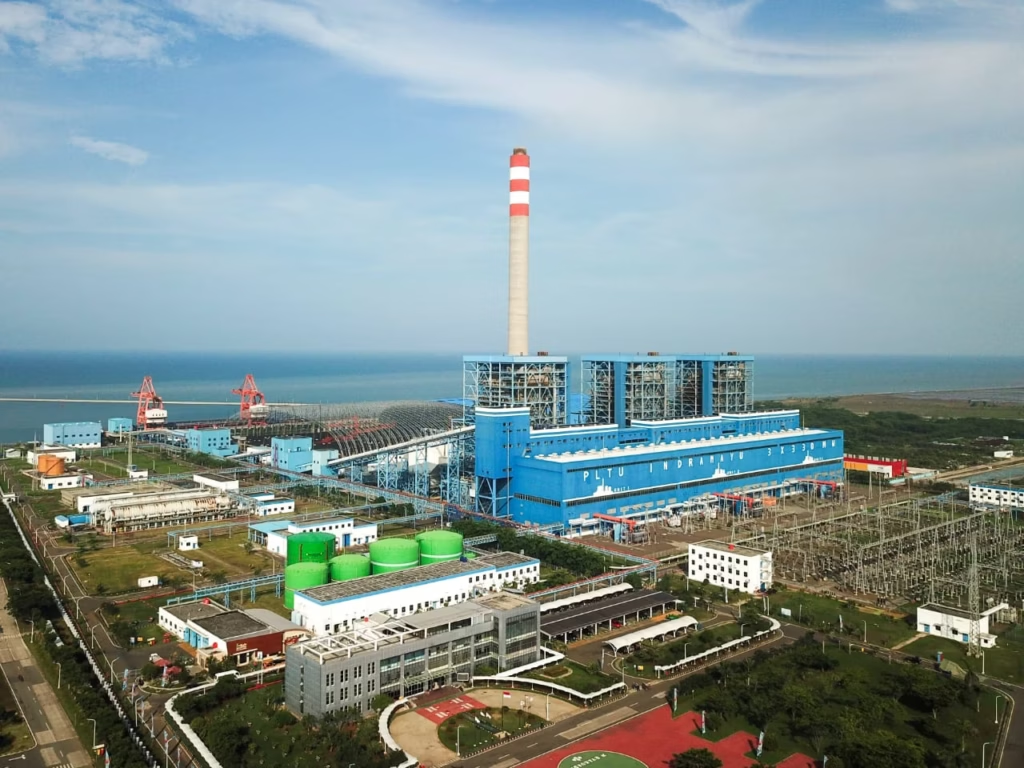
In West Java, three major facilities—the Cirebon, Pelabuhan Ratu, and Indramayu coal power plants—have made the blacklist.
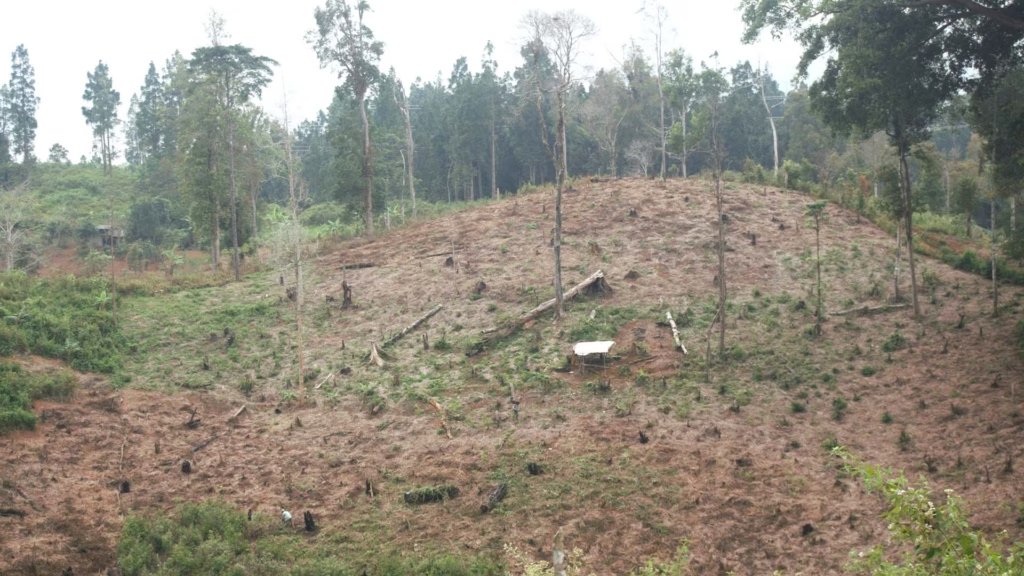
Energy Plantations project in Sukabumi stands at a crossroads. Caught between broken factory machines, failed calliandra saplings, and the citizens’ dread of losing their water sources.
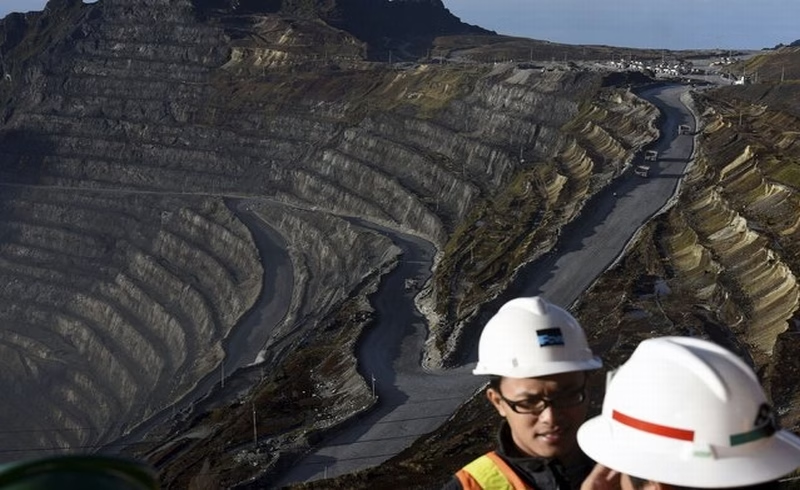
The Indonesian government recently struck an agreement to extend its Memorandum of Understanding (MoU) with the American mining giant, PT Freeport Indonesia (Freeport-McMoRan Inc.).
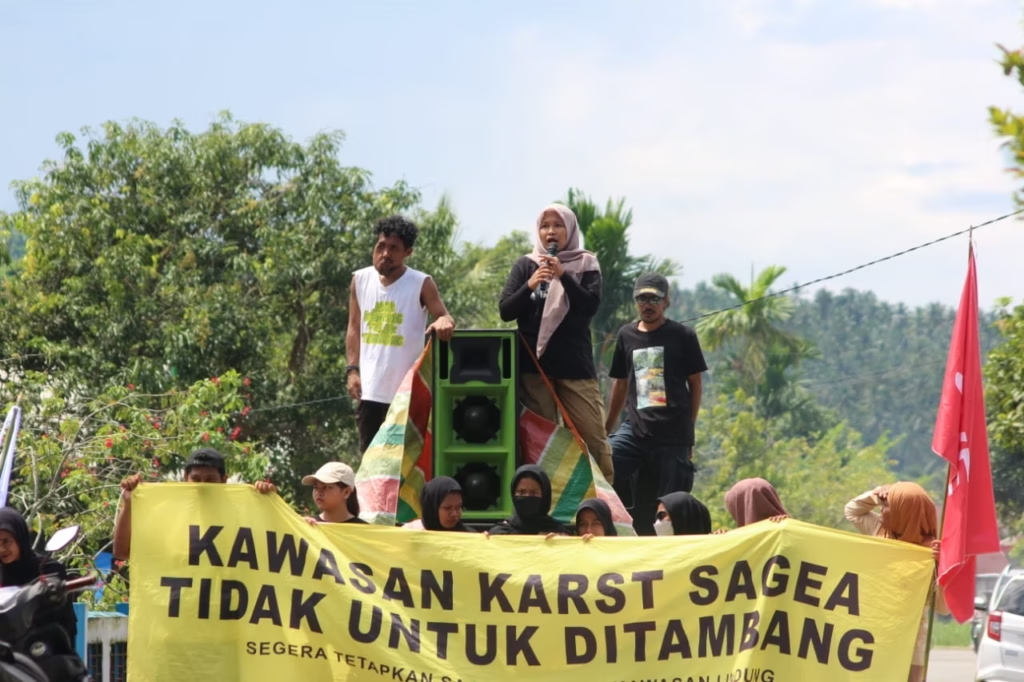
Sagea residents face criminalization for protesting nickel mining projects that threaten their vital karst ecosystems and ancestral lands.
The Sulawesi Bear Cuscus is facing a survival crisis as deforestation and habitat loss force this rare, endemic marsupial out of the canopy and into the public eye.
Indonesia’s approval of an Israeli-linked geothermal project in Halmahera pits its green energy ambitions against its pro-Palestine political stance.
Four indigenous figures in NTT face criminal charges for defending their ancestral lands against a corporation with an expired lease.
Memuat artikel...