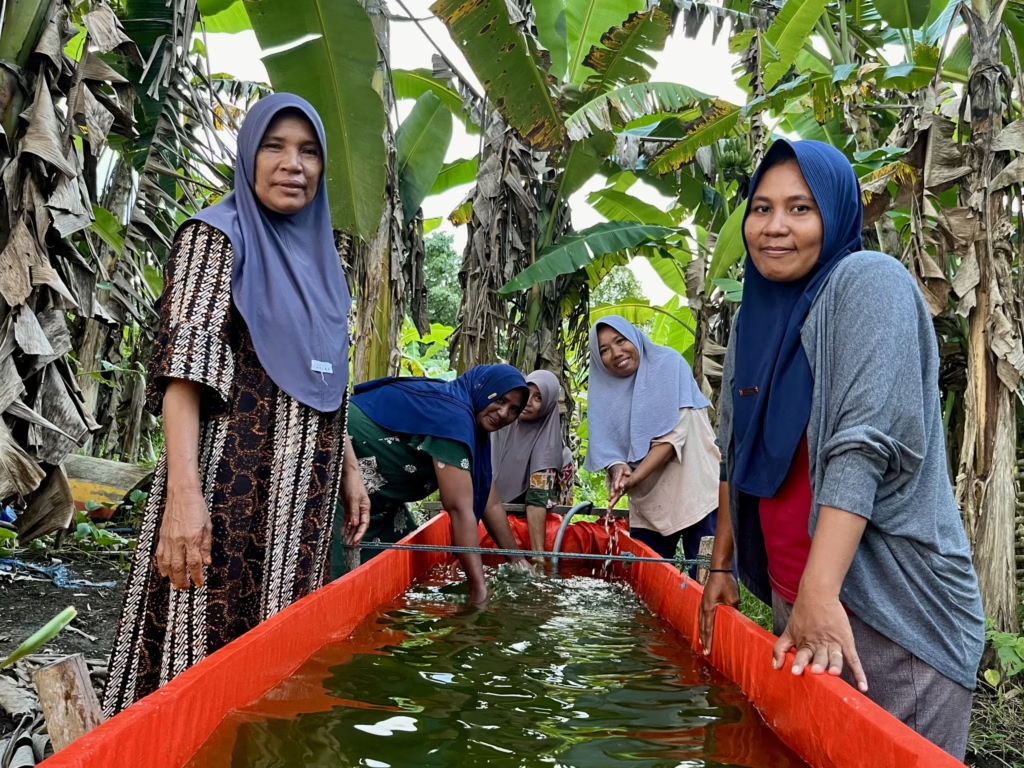
Asia Lukman stands at the edge of her field, watching the Sangaji River churning with thick red mud that looks more like blood than water.
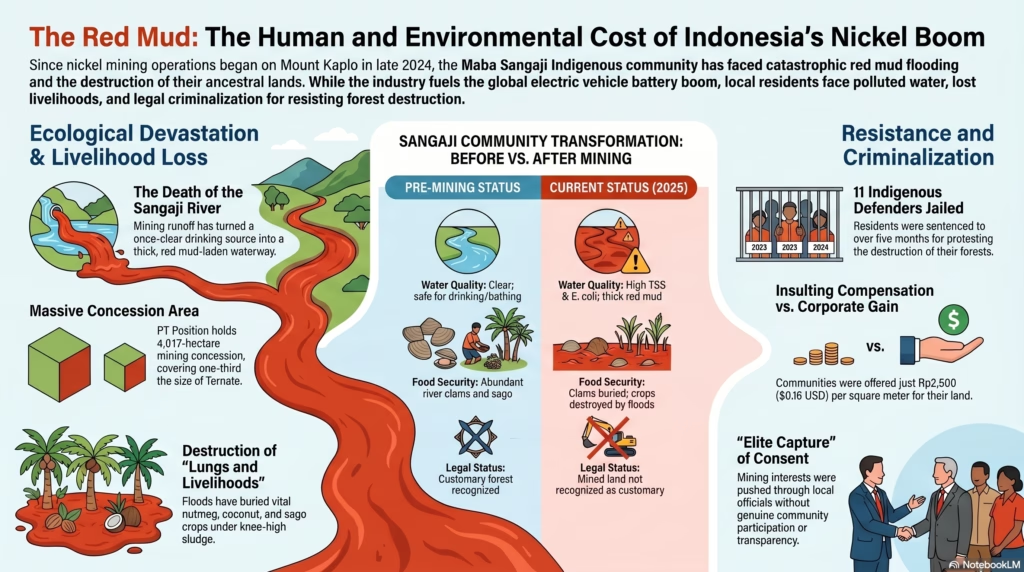
Just a few years ago, this river was the “heart of everyday life,” a clear stream where she and other women collected river shells (bia) and drank directly from the current.
Now, she stands amid the ruins of her livelihood; her chili, tomato, and corn crops are buried under layers of mining mud, and the red stains of floodwaters reach knee-deep on the trunks of the remaining nutmeg trees.
“My heart is broken,” she whispers, refusing to look back at the land she has long tended. Her husband, Asis, has moved their daily work to higher ground, but the anxiety remains.
The flood is no longer natural; it is a massive runoff from Mount Kaplo, where forests are being cleared to meet the global demand for electric vehicle batteries.
As the river turned red, the sacred forests of the community—Kaplo and Semlowos—turned into barren wasteland.
In early 2025, after witnessing the devastation, the community rose up. They didn’t want the “clean water” tank offered by the company; they wanted their river back. In a desperate attempt to negotiate, Sahil and others seized the keys to the mining equipment.
The response was swift and cold. While the village government quietly received billions in compensation, eleven men, including Hawa Sinen’s husband, Umar, were led away in handcuffs.
As Hawa wove traditional mats to survive while her husband was imprisoned, the court found the indigenous defenders guilty of “obstructing” the mining—refusing to acknowledge that the land they were “obstructing” was their own ancestral land.
Today, the women of Maba Sangaji carry bottled water to their fields, gazing at the red river that had sustained their ancestors for centuries. They are left with a haunting question that echoes throughout the valley: “Are we supposed to drink mud?”
- An Urgent Plea for International Aid from the Heart of Indonesia’s Toxic Haze Crisis
- How the Savannas of Nusa Tenggara Became Indonesia’s New Epicenter for Land Fires
- Why World Mangrove Day Requires Action, Not Just Rhetoric?

- Fair Finance Asia Promotes Collaboration on Energy Transition
- The Smoke Crisis and Methane Time Bomb at Jatiwaringin Landfill
- One Year Since the Maba Sangaji Forest Tragedy